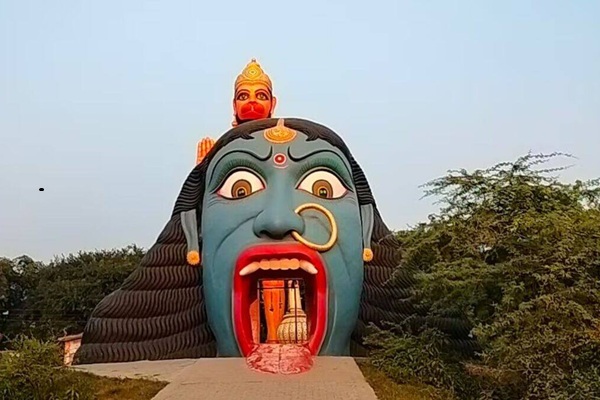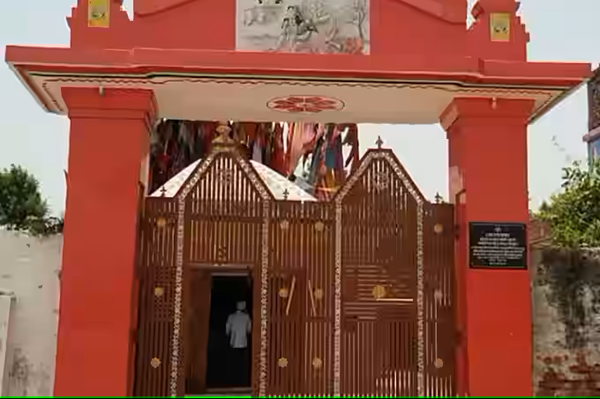
Nandmahar Dham, located in the Gosainganj area of Amethi district in Uttar Pradesh, stands as a revered religious site dedicated to Nand Baba, the foster father of Lord Krishna. Devotees from all over India visit this sacred dham to offer prayers and experience divine peace. The temple complex reflects deep devotion, rich tradition, and vibrant cultural life rooted in the legends of Krishna.
Religious Importance and Beliefs
Devotees believe that Nand Baba once lived in this region and that Lord Krishna spent part of his childhood here. The temple honors the bond between Nand Baba and Krishna and celebrates the love and care shown by Nand and Yashoda. Pilgrims visit the dham with hopes of receiving blessings for family happiness, health, and spiritual protection. The atmosphere fills with chants, prayers, and the echo of Krishna’s name.
Daily Worship and Rituals
Priests at Nandmahar Dham perform daily aarti, bhajans, and special pujas with devotion. Devotees bring offerings like sweets, milk, and flowers. During special festivals, such as Janmashtami and Govardhan Puja, the temple sees a surge in visitors. People participate in day-long celebrations, spiritual discourses, and devotional music programs, making the dham a center of joyous devotion.
Festivals and Fairs
Nandmahar Dham hosts grand celebrations during major Hindu festivals. The Janmashtami Mela attracts thousands of devotees who come to celebrate Lord Krishna’s birth with great enthusiasm. Local authorities and volunteers manage the crowds, distribute prasad, and ensure the event runs smoothly. The dham becomes a cultural hub with spiritual songs, folk dances, and plays depicting episodes from Krishna’s life.
Development and Facilities
Temple authorities and local leaders continue to develop the site to serve visitors better. They have improved road access, water facilities, and rest areas for pilgrims. The dham also supports charitable work, offering food and aid to the poor during religious events. Volunteers work actively to maintain cleanliness and discipline within the temple premises