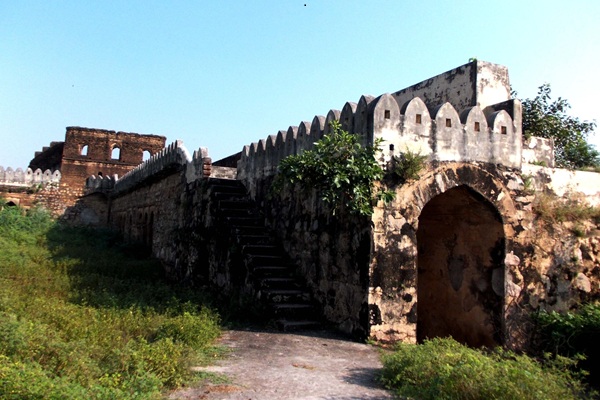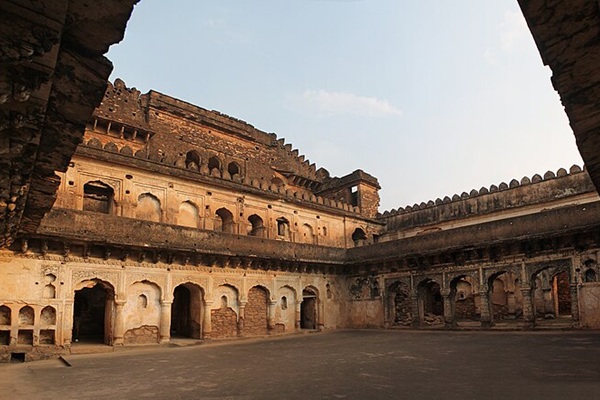
Kalinjar Fort, located in Banda district of Uttar Pradesh, stands as a proud symbol of India’s rich and powerful heritage. Perched on the Vindhya mountain range, the fort has witnessed numerous battles, dynasties, and rulers. Its name, “Kalinjar,” means “the destroyer of time,” derived from Sanskrit words Kala (time) and Jara (destruction). This historic fort has played a vital role in shaping the region’s history.
Strategic Location and Architecture
Strategically positioned about 1000 feet above sea level, Kalinjar Fort overlooks the plains of Bundelkhand. Its location gave it a natural advantage against invaders. The fort’s structure showcases a unique blend of Hindu and Mughal architectural styles. Massive stone walls, intricate carvings, and towering gateways display the genius of ancient Indian architecture. The main entrance, known as the ‘Alamgir Darwaza,’ impresses visitors with its grand design.
Historical Significance
The Chandela rulers originally built Kalinjar Fort in the 10th century. Over time, several powerful dynasties, including the Mughals, Marathas, and British, tried to capture and control the fort. The fort famously resisted the onslaught of Mahmud of Ghazni and Muhammad Ghori. Later, the Mughal emperor Humayun attacked it in 1531, but died shortly after due to an accidental explosion inside the fort. This incident added more mystery and fame to Kalinjar’s history.
Religious and Cultural Heritage
Kalinjar Fort is not just a military site; it also holds deep religious significance. The Neelkanth Mahadev Temple, located within the fort, attracts thousands of devotees. Dedicated to Lord Shiva, the temple features a blue Shiva Lingam and several rock-cut sculptures. The sacred vibes of the temple add spiritual value to the fort, making it a center of pilgrimage.
Tourism and Preservation
Today, Kalinjar Fort attracts historians, tourists, and adventurers from across the country. The Archaeological Survey of India (ASI) has taken steps to preserve and restore its beauty. Visitors explore its secret tunnels, ancient temples, and majestic halls, experiencing a journey through time.