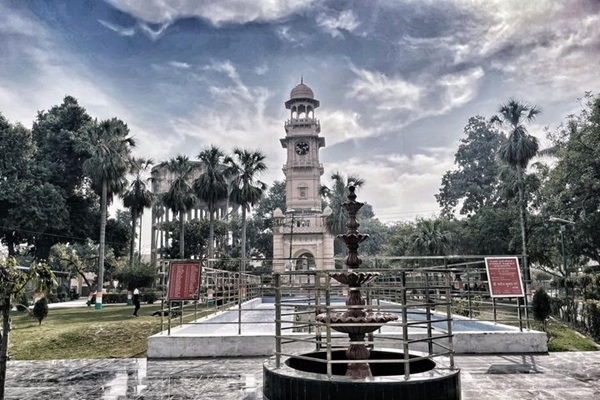
The Khurja Pottery Industry proudly reflects the rich artistic heritage of Bulandshahr. With its blend of tradition, innovation, and global appeal, this vibrant craft continues to shape lives and spread beauty — one ceramic piece at a time.
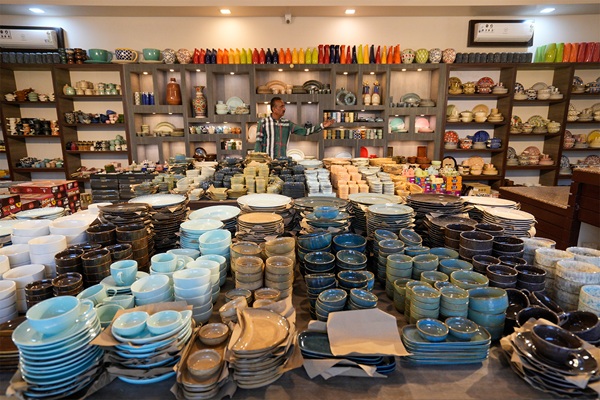
The Khurja Pottery Industry in Bulandshahr, Uttar Pradesh, has built a reputation across India and beyond for its colorful, durable, and artistic ceramic ware. Located in the town of Khurja, this traditional craft has grown into a flourishing industry that supports thousands of artisans and exports products around the world.
Historical Roots
The pottery tradition in Khurja dates back over 600 years. Historians believe that Afghan or Persian potters introduced this art during the Mughal era. These skilled craftsmen settled in Khurja and passed their techniques down through generations. Over time, local artisans embraced the craft and developed a unique style that blended traditional Persian aesthetics with Indian creativity.
Artistry and Production Process
Artisans in Khurja use red clay sourced from nearby regions to create a wide variety of ceramic products. They mold the clay by hand or using potter’s wheels to shape items like plates, bowls, mugs, tiles, and decorative pieces. After shaping, they fire the products in kilns and then apply beautiful hand-painted designs using colorful glazes.
Designs often feature floral patterns, geometric shapes, birds, and traditional motifs. The final glazed products display a glossy finish that makes them both attractive and long-lasting. The blend of craftsmanship and creativity has made Khurja pottery popular in both domestic and international markets.
Economic Importance
The pottery industry in Khurja plays a crucial role in the local economy. It provides employment to over 20,000 artisans, including potters, painters, laborers, and traders. Hundreds of small and medium-sized units operate in the town, producing and selling a wide range of ceramic products. These goods are supplied to home decor stores, hotels, restaurants, and export firms.
Khurja pottery has gained official recognition as a Geographical Indication (GI) product, which helps protect its identity and promote its global market value.
Government Support and Modernization
Government initiatives and skill development programs have supported the industry’s growth. Organizations provide training, funding, and marketing support to help artisans modernize their designs and compete in the global market. Technological upgrades like electric kilns and quality control methods have also improved production efficiency.