Bharatpur Palace
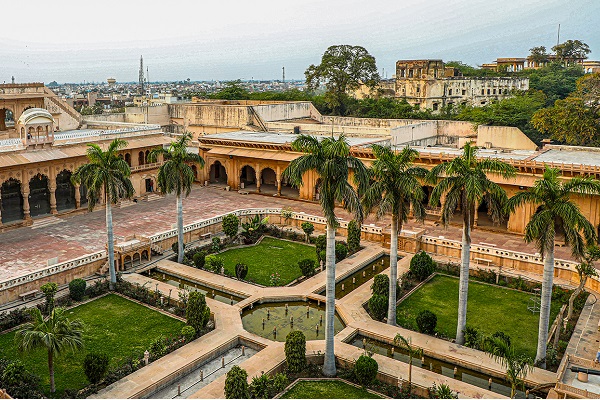
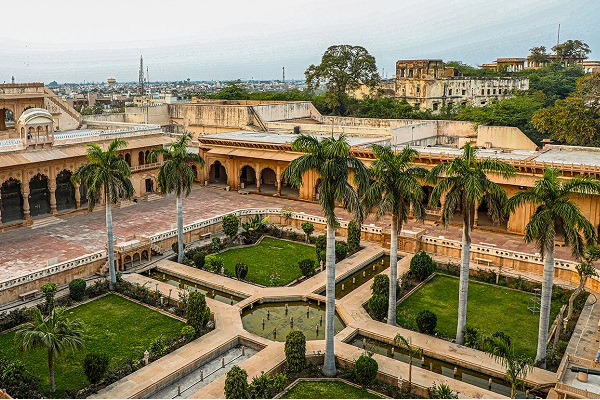
Bharatpur Palace, also known as Lal Mahal, is one of the most iconic landmarks of Bharatpur. Moreover, it served as the residence of the royal family of Bharatpur and reflects the grandeur of Rajasthan’s royal heritage. Additionally, the palace combines Rajasthani architecture with Mughal influences, offering visitors a glimpse into the opulence of the bygone era. Furthermore, its central location makes it easily accessible for tourists exploring the city.
Historical Background
The palace was built in the 17th century during the rule of the Jat kings. Later, successive rulers expanded and renovated it, adding grand halls, intricate carvings, and courtyards. Moreover, Lal Mahal witnessed several historic events, including royal ceremonies and political gatherings. In addition, the palace has been carefully preserved to maintain its architectural charm, despite the passage of centuries. Consequently, it remains an important cultural and historical symbol of Bharatpur.
Architectural Significance
Bharatpur Palace showcases a stunning blend of Rajasthani and Mughal architecture. The red sandstone walls, decorative arches, and beautifully carved balconies highlight the craftsmanship of that era. Furthermore, the interiors feature royal artifacts, paintings, and period furniture, offering a vivid glimpse of the lifestyle of Bharatpur’s rulers. Additionally, the palace gardens and courtyards enhance the aesthetic appeal, making it a visual delight for visitors. Therefore, both history enthusiasts and architecture lovers find Lal Mahal captivating.
Visitor Experience
Tourists visiting Bharatpur Palace can explore its spacious courtyards, elegant halls, and decorative balconies. Moreover, guided tours provide detailed insights into the history and cultural significance of the palace. Additionally, the serene gardens and architectural details allow visitors to enjoy photography, leisurely walks, and heritage exploration. Furthermore, cultural programs occasionally take place in the palace, offering a unique opportunity to witness traditional music and art performances. In addition, the combination of history, architecture, and royal ambience ensures a memorable experience.