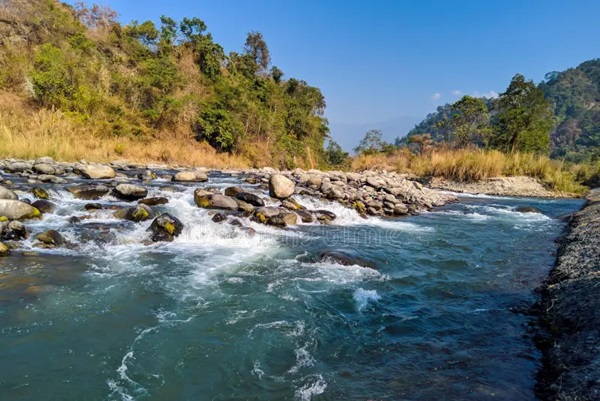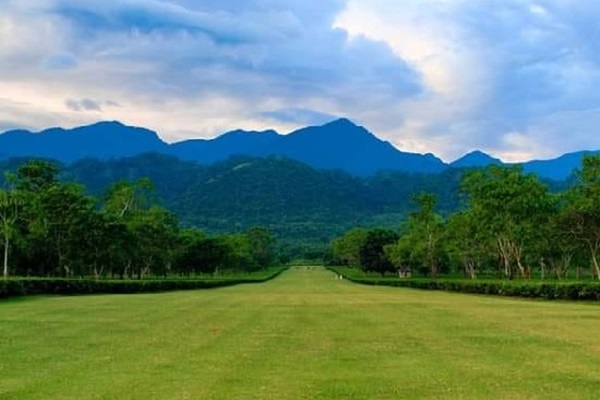
Bornadi Wildlife Sanctuary is situated in the Udalguri district of Assam, near the foothills of the Bhutanese border. Spanning over 26.22 square kilometers, the sanctuary is known for its rich biodiversity and is one of the lesser-known yet ecologically significant protected areas in the state. The sanctuary was established in 1980 with the aim of preserving the region’s unique flora and fauna, making it a haven for wildlife enthusiasts and nature lovers.
Flora and Fauna
The sanctuary is home to a wide variety of wildlife, including several endangered species. It is famous for housing the One-Horned Rhinoceros, which is a major attraction for visitors. The sanctuary is also home to other species like the Royal Bengal Tiger, wild boar, wild buffalo, elephants, and a variety of deer species such as the barking deer and sambar. In addition, the sanctuary is rich in birdlife, with species like the Great Hornbill, the Bengal Florican, and various migratory birds inhabiting the area. The forest is primarily tropical semi-evergreen, with dense vegetation and a mixture of grasslands and woodlands, making it an ideal habitat for the diverse species it supports.
Activities and Attractions
For nature lovers and adventure enthusiasts, Bornadi Wildlife Sanctuary offers an array of activities such as wildlife photography, bird watching, and trekking. The sanctuary’s natural beauty, combined with the opportunity to spot rare and endangered species, makes it an ideal destination for eco-tourism.
Accessibility and Visitor Information
Bornadi Wildlife Sanctuary is accessible by road from Udalguri and other nearby towns. Visitors are encouraged to explore the sanctuary with a guide, as it provides valuable insights into the local wildlife and ecology. It remains a peaceful and relatively unexplored sanctuary, offering a perfect escape into nature.
What can you see?
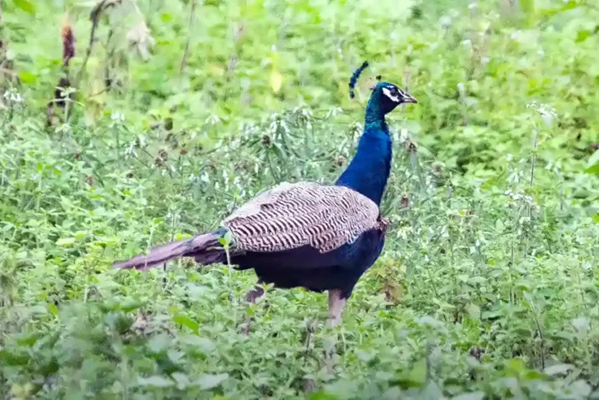
The sanctuary is home to various bird species, including the White-Capped Water Redstart and the Red-Billed Blue Magpie. In our view, visitors may also spot animals such as panthers, deer, Himalayan goats, and occasionally even a leopard.