Dewa Sharif, located in the Barabanki district of Uttar Pradesh, is a sacred and historic site that attracts thousands of devotees every year. The shrine is the mausoleum of Haji Waris Ali Shah, a revered Sufi saint known for his teachings of love, peace, and harmony. People from all religions visit Dewa Sharif, reflecting its deep spiritual and cultural significance.
Life of Haji Waris Ali Shah
Haji Waris Ali Shah was born in 1817 in Dewa and devoted his life to spreading the Sufi message of brotherhood and humanity. He traveled across India and other parts of the world, teaching people to rise above religious and social divisions. He encouraged kindness, unity, and devotion to God. After his death in 1905, his followers built the Dewa Sharif shrine to honor his legacy.
Architectural Beauty
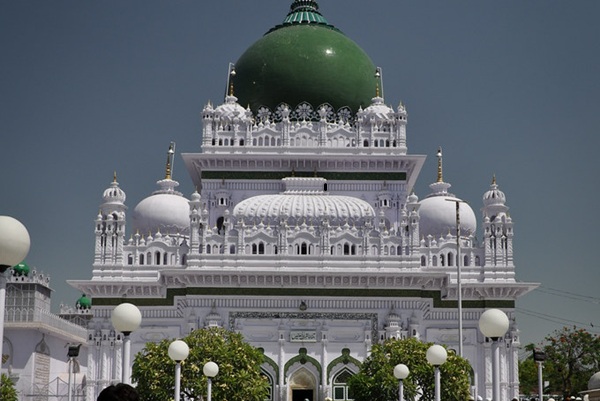
The shrine of Dewa Sharif stands as an example of Indo-Islamic architecture. The white marble structure with a grand dome and beautiful minarets gives it a majestic appearance. The entrance gate, arches, and calligraphic artwork add to its charm. The peaceful atmosphere and clean surroundings make it a spiritual retreat for visitors. The architecture blends devotion with elegance, attracting both pilgrims and tourists.
Annual Urs Festival
Every year, the Urs of Haji Waris Ali Shah is celebrated with great enthusiasm. During this time, people from different parts of India gather at the shrine. The festival includes qawwalis (Sufi devotional music), fairs, and prayers. Devotees light candles, offer chadars (sacred cloth), and seek blessings. The event promotes harmony and celebrates the saint’s message of love and unity.
Spiritual and Social Impact
Dewa Sharif has become a symbol of communal harmony. People of all faiths visit the shrine with equal respect and devotion. Many come seeking peace, healing, and hope. The teachings of Haji Waris Ali Shah still influence people, reminding them to live with compassion and tolerance. The site also supports community service, offering food and aid to the needy.