Kalibangan Archaeological Site
Kalibangan, located around 25 kilometers from Hanumangarh’s city in Rajasthan, is one of the most important archaeological sites of the Indus Valley Civilization. The name “Kalibangan” translates to “black bangles,” derived from the numerous black terracotta bangles found during excavations. Situated along the dry bed of the ancient Saraswati (Ghaggar) River, the site provides a deep insight into one of the world’s earliest urban civilizations. It stands as a remarkable window into prehistoric life, urban planning, and social development.
Historical Background
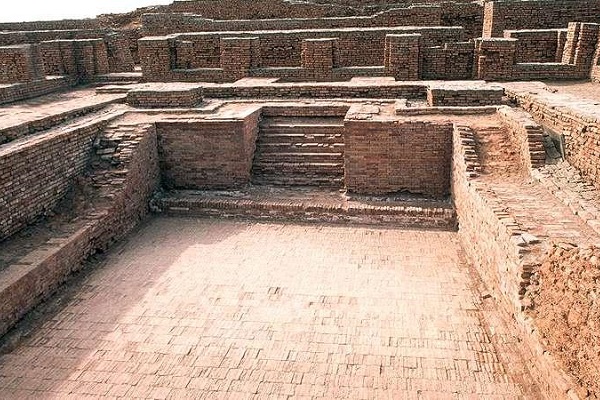
Kalibangan gained prominence when the Archaeological Survey of India (ASI) carried out extensive excavations between 1960 and 1969 under B.B. Lal and B.K. Thapar. The site revealed two distinct layers of settlement—Pre-Harappan and Harappan phases. The earlier layer showed mud-brick houses and primitive tools, while the later Harappan phase displayed advanced urban features. Excavations uncovered a planned city layout with well-defined streets, drainage systems, and residential blocks. Moreover, evidence of fire altars, terracotta figurines, and seals suggested that the people of Kalibangan practiced rituals and had a developed trade culture. These discoveries greatly enhanced our understanding of ancient Indian civilization and its cultural evolution.
Archaeological and Architectural Significance
Kalibangan’s most fascinating feature is its grid-based city planning. Streets were laid out in perfect right angles, showcasing the advanced knowledge of geometry and engineering possessed by the Harappan people. Additionally, archaeologists discovered remains of wells, pottery kilns, granaries, and burial sites. The presence of fire altars, unique to Kalibangan, indicates that religious ceremonies formed a vital part of their lifestyle. Tools made of copper, beads, and terracotta toys further demonstrate their craftsmanship and social sophistication. Though centuries have passed, the site continues to reveal new information with ongoing research and studies.
Tourist and Educational Importance
Today, Kalibangan attracts historians, archaeologists, and students from across the world. A small museum maintained by ASI exhibits excavated items, including pottery, ornaments, and tools, allowing visitors to connect directly with India’s prehistoric roots. The calm surroundings and ancient ruins create an atmosphere of mystery and wonder. Furthermore, guided tours and educational visits help promote awareness of India’s archaeological heritage among the younger generation.
Review
Kalibangan Archaeological Site serves as a timeless reminder of India’s ancient wisdom and scientific achievements. Although the city now lies in ruins, its legacy continues to educate and inspire. The site not only enriches Hanumangarh’s identity but also reinforces India’s pride in being home to one of the world’s oldest civilizations.