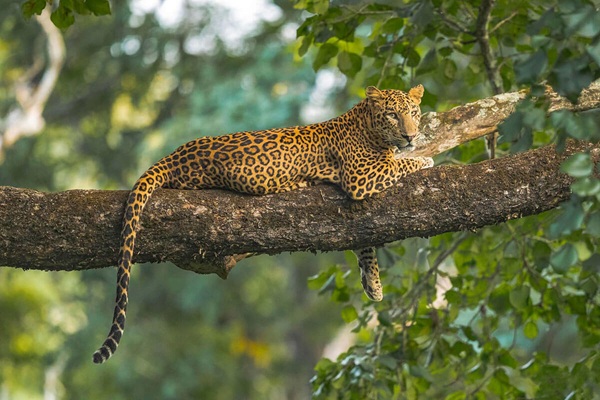
Katarniaghat Wildlife Sanctuary, located in the Bahraich district of Uttar Pradesh, is a part of the Terai region and an important component of the Dudhwa Tiger Reserve. The sanctuary covers an area of over 400 square kilometers and plays a vital role in conserving rare flora and fauna. Tourists, wildlife lovers, and researchers visit the sanctuary to experience its rich biodiversity and natural beauty.
Unique Biodiversity
The sanctuary shelters a wide range of wildlife species. Visitors can spot tigers, leopards, elephants, swamp deer, gharials, and the Gangetic dolphin. It also supports over 500 species of birds, including migratory ones. Dense sal forests, grasslands, and wetlands form the perfect habitat for these species. The rich ecosystem attracts biologists and environmentalists from across the country.
River Geruwa and Aquatic Life
The Geruwa River, a branch of the Ghaghara, flows through the sanctuary and supports a variety of aquatic species. This river hosts rare animals like the mugger crocodile, gharial, turtles, and freshwater dolphins. The presence of clean, flowing water makes this sanctuary one of the best spots for observing riverine wildlife.
Tourism and Eco-Activities
The Forest Department actively promotes eco-tourism in Katarniaghat. Tourists can enjoy jeep safaris, birdwatching, boat rides, and guided nature walks. The Katarniaghat Forest Rest House, built during British rule, provides a peaceful stay in the heart of the jungle. Trained guides help visitors spot animals and understand the ecosystem better.
Conservation Efforts
Authorities take strong steps to protect the sanctuary’s wildlife. Anti-poaching teams, camera traps, and regular patrols help prevent illegal activities. The sanctuary also supports captive breeding programs for endangered species. Conservation awareness programs educate local communities and encourage them to participate in preserving nature.
Best Time to Visit
The sanctuary remains open from November to June. Winter and early summer offer the best chances to spot wildlife. During the monsoon (July to October), the sanctuary stays closed due to heavy rains and flooding.
