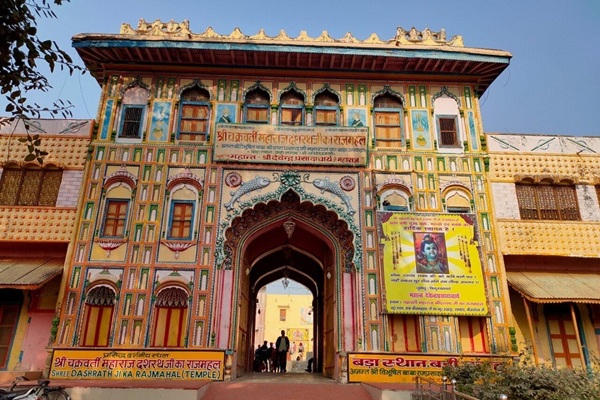
The Nageshwar Nath Temple in Ayodhya stands as a sacred tribute to Lord Shiva. Located near the banks of the Sarayu River, this temple holds deep religious and historical significance. According to legend, Kush, the son of Lord Ram, established the temple to honor Lord Shiva. Today, thousands of devotees visit it daily to offer prayers and seek blessings.
Historical Background
Kush, while ruling Ayodhya, built the Nageshwar Nath Temple after a divine event. Legend says that he lost his armlet in the Sarayu River. A Nag-Kanya (serpent maiden) found it and returned it to him. Impressed by her devotion to Lord Shiva, Kush built this temple in her honor. Over centuries, various kings and local rulers restored and maintained the temple, keeping its legacy alive.
Architectural Features
The temple showcases classic Hindu architecture with high spires, stone carvings, and detailed artwork. Craftsmen sculpted figures of deities, floral patterns, and sacred symbols on its walls. The Shiva Linga, placed in the sanctum, draws worshippers throughout the year. The temple also features a mandapa (pillared hall) where rituals and prayers take place.
Worship and Festivals
Priests perform daily pujas and aarti at the temple, starting early in the morning and continuing until evening. Devotees bring milk, water, bael leaves, and flowers to offer to Lord Shiva. The temple becomes especially vibrant during Mahashivratri, when thousands of pilgrims gather to celebrate Lord Shiva’s divine energy. Devotees fast, chant mantras, and participate in night-long prayers.
Religious Importance
Nageshwar Nath Temple holds a special place in Ayodhya’s spiritual landscape. While Ayodhya is mainly associated with Lord Ram, this temple highlights the city’s Shiva devotion. It reflects the harmonious blend of Shaivism and Vaishnavism, showing that Ayodhya honors multiple paths of faith.
Tourist Attraction and Legacy
Visitors admire the temple’s peaceful environment and historical aura. Tour guides often include it in spiritual tours of Ayodhya. Many pilgrims come here before visiting Ram Janmabhoomi, considering it auspicious. The temple management ensures cleanliness and offers facilities for devotees.

