Patwon Ki Haveli – The Merchant’s Marvel
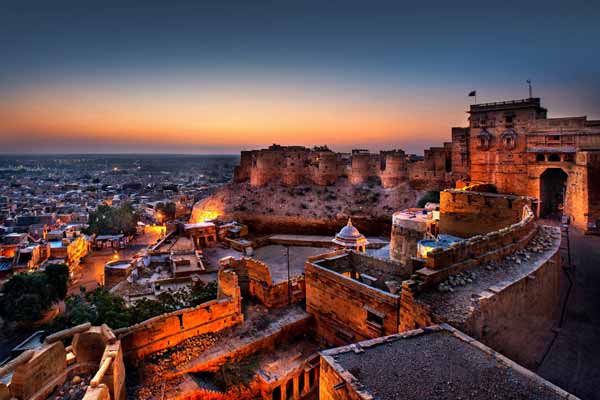
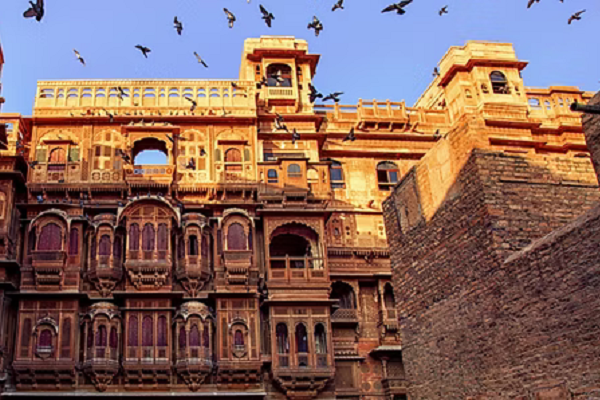
Patwon Ki Haveli, located in the heart of Jaisalmer, is one of the city’s most impressive architectural landmarks. Built in the 19th century by Guman Chand Patwa and his family, it is actually a cluster of five havelis. Moreover, it reflects the opulence, artistic brilliance, and craftsmanship of Jaisalmer’s wealthy merchant class. Visitors flock to this haveli to admire its intricate stone carvings, jharokhas (balconies), and ornate facades, gaining insight into the lavish lifestyle of the city’s historical traders.
Historical Background
Patwon Ki Haveli was commissioned by Guman Chand Patwa, a wealthy trader, to house his family and showcase their wealth. Over time, his sons added additional havelis, creating a large complex that today stands as the largest haveli in Jaisalmer. Furthermore, the havelis reflect the prosperity of Jaisalmer’s merchant community during the 19th century, when trade in gold, silk, and spices flourished. These structures were not only residential spaces but also centers of business, demonstrating how architecture and commerce were intertwined. Consequently, Patwon Ki Haveli became both a family residence and a symbol of trade power and cultural refinement in the Golden City.
Architectural Features
The havelis feature finely carved stonework, latticed windows, and detailed balconies, demonstrating remarkable craftsmanship. Inside, each haveli has courtyards, living quarters, and rooms decorated with frescoes and murals, reflecting traditional Rajasthani life. The intricate designs on the facades showcase floral patterns, geometric shapes, and mythological motifs. Additionally, narrow lanes surround the havelis, giving tourists a sense of historical urban life and trade culture. The combination of functional design and artistic finesse makes Patwon Ki Haveli a must-visit for history enthusiasts, architects, and photographers alike.
Patwon Ki Haveli: Visitor Experience
Tourists can explore the havelis at their own pace, walking through the courtyards and ornate chambers. Moreover, guided tours provide detailed explanations about the merchant family, the history of trade, and the architectural techniques used. Visitors are often fascinated by the elaborate carvings, frescoes, and historical artifacts displayed inside. Furthermore, the surrounding market adds to the experience, offering traditional crafts, textiles, and souvenirs. The immersive environment allows visitors to step back in time and experience the grandeur of Jaisalmer’s merchant class.
Review
Patwon Ki Haveli represents Jaisalmer’s architectural brilliance, historical richness, and cultural heritage. It continues to attract visitors with its ornate details, luxurious design, and historical significance, making it a highlight of the Golden City.