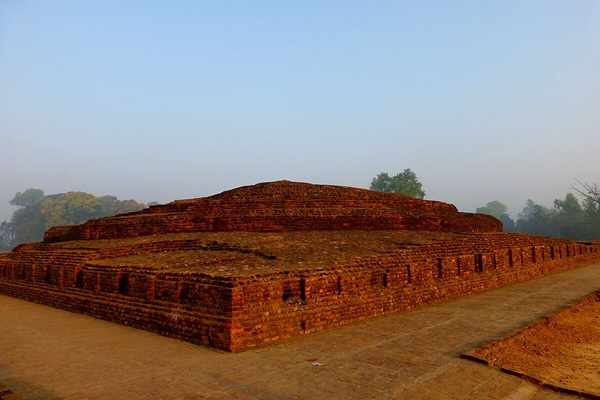
Piprahwa Stupa, located in Siddharthnagar district of Uttar Pradesh, stands as one of India’s most significant Buddhist heritage sites. Known for its deep historical and spiritual importance, it attracts pilgrims, historians, and tourists from across the world. The stupa reflects the ancient Buddhist tradition and serves as a symbol of peace, devotion, and cultural richness.
Historical Significance of Piprahwa Stupa
Piprahwa Stupa is believed to be the site where relics of Gautama Buddha were enshrined. Archaeological excavations at the stupa have revealed ancient bricks, inscriptions, and relic caskets, confirming its connection to the Buddha’s era. Scholars consider Piprahwa as an important link to understanding the life and teachings of Lord Buddha. The stupa provides a unique glimpse into the architectural and spiritual practices of ancient India. Visitors can witness the remains of the stupa, which have been carefully preserved and protected by the Archaeological Survey of India.
Spiritual Experience for Devotees
The stupa offers a serene and spiritual atmosphere that attracts Buddhist pilgrims from around the globe. Devotees come to pay homage to Lord Buddha, meditate, and participate in rituals and prayer sessions. The quiet surroundings and sacred aura of the stupa provide an ideal environment for reflection and inner peace. Special celebrations and prayer gatherings are held during Buddhist festivals such as Vesak, drawing large crowds of devotees who come to honor the Buddha’s birth, enlightenment, and nirvana.
Architecture and Surroundings
Piprahwa Stupa showcases ancient Buddhist architecture with its solid mound structure, relic chamber, and stone carvings. The site is surrounded by green lawns, gardens, and pathways, creating a calm and inviting environment for visitors. Informative boards and guided tours are available to help tourists understand the historical and cultural significance of the stupa. The careful preservation of the site ensures that visitors can experience both its spiritual and educational value.
Tourism and Educational Importance
Besides being a spiritual center, Piprahwa Stupa serves as an educational landmark for students, historians, and archaeologists. It allows visitors to study ancient Buddhist practices, Indian history, and heritage architecture. The stupa also encourages cultural tourism, promoting awareness of India’s rich Buddhist legacy.
Review
Piprahwa Stupa in Siddharthnagar is more than just a historical monument; it is a living symbol of devotion, peace, and cultural heritage. Its spiritual significance, architectural beauty, and educational value make it one of the best places to visit in Siddharthnagar. Travelers seeking history, spirituality, or cultural insight will find Piprahwa Stupa a truly remarkable destination.
