Rani Sati Temple – A Symbol of Devotion and Legacy
Rani Sati Temple, located in Jhunjhunu, Rajasthan, stands as one of India’s most revered pilgrimage sites dedicated to feminine power and self-sacrifice. Situated on a small hill in the heart of the city, this temple attracts thousands of devotees every year. Moreover, it reflects the grandeur, faith, and artistic excellence of Rajasthani culture. The temple honors Rani Sati Dadi, a legendary figure known for her devotion, courage, and sacrifice, representing the spirit of womanhood.
Rani Sati Temple: Historical Background
According to local legends, Rani Sati, originally named Narayani Devi, became a symbol of faith after she performed sati upon her husband’s death. Her story spread across Rajasthan, and consequently, devotees began building temples in her memory. The Jhunjhunu shrine, however, is considered the main and most sacred one. It was constructed several centuries ago and has been beautifully maintained by the Marwari community. Over time, the temple became not only a place of worship but also a center for cultural and social gatherings.
Architectural Splendor
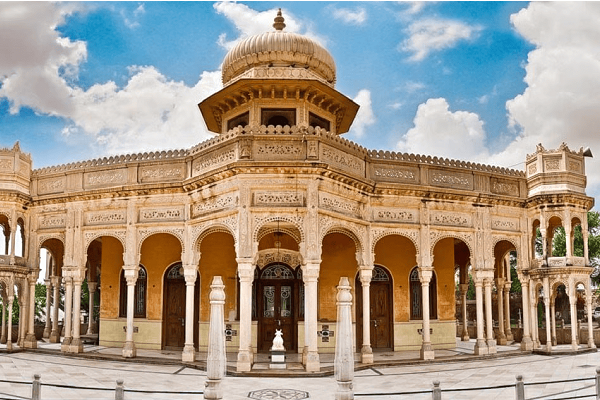
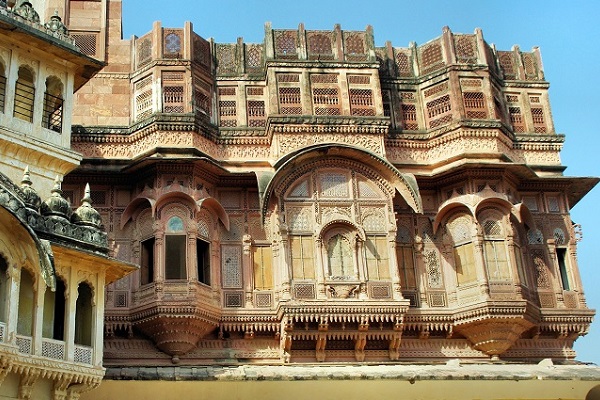
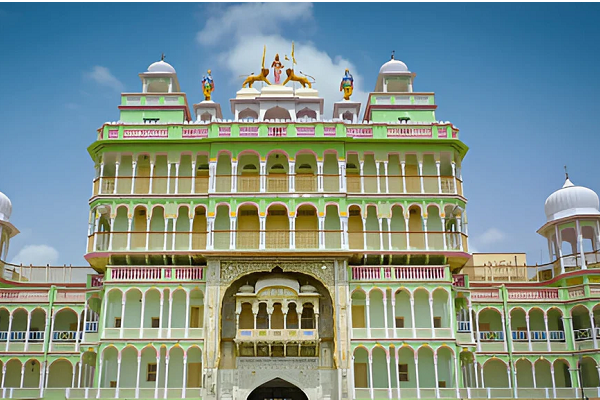
Architecturally, the Rani Sati Temple is a masterpiece of marble work and intricate design. The temple complex includes the main shrine, twelve smaller temples, and beautifully decorated domes and pillars. The inner sanctum features a magnificent portrait of Rani Sati instead of an idol, symbolizing her eternal presence. Furthermore, the walls are adorned with mythological murals, and the ceiling showcases colorful glasswork. The temple’s blend of traditional Rajasthani craftsmanship with spiritual grace makes it a visual delight.
Festivals and Spiritual Experience
The temple becomes especially vibrant during Bhado Amavasya, the main festival dedicated to Rani Sati Dadi. During this time, thousands of devotees from across India visit to offer prayers, participate in rituals, and witness the grand celebrations. Additionally, the temple remains lively throughout the year, with regular aartis, bhajans, and community meals (bhandaras). The peaceful ambiance and the devotion of the worshippers create an atmosphere filled with positivity and faith.
Rani Sati Temple: Visitor Experience
Visitors often describe the temple as both spiritually uplifting and aesthetic in design. The calm surroundings, cleanliness, and cultural warmth enhance the overall experience. Ultimately, Rani Sati Temple is not merely a religious site but a timeless reminder of courage, devotion, and Rajasthan’s glorious traditions.
Review
Khetri Mahal stands as a testament to royal innovation, artistic excellence, and cultural richness. Through its elegant design, historical significance, and panoramic views, it continues to capture the admiration of everyone who visits Jhunjhunu. The palace remains a shining example of Rajasthan’s architectural and cultural legacy.