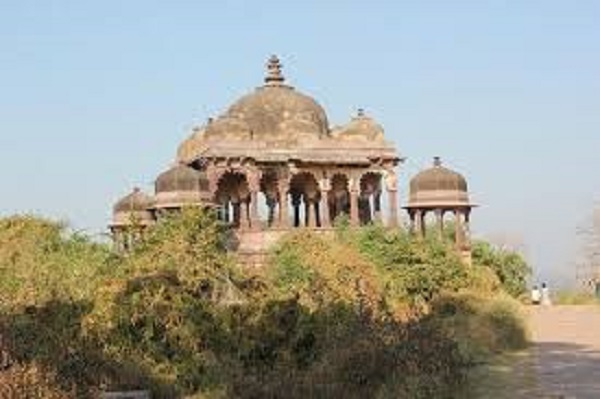
Ranthambore Fort
Ranthambore Fort stands proudly within the Ranthambore National Park in Sawai Madhopur, symbolizing Rajasthan’s glorious Rajput heritage. Built in the 10th century by the Chauhan rulers, it once served as a powerful defense stronghold against invaders. The fort sits atop a massive hill, offering a panoramic view of the surrounding forests and lakes. Moreover, it holds both historical and religious importance, drawing historians, devotees, and travelers alike. Because of its remarkable architecture and scenic setting, it was recognized as a UNESCO World Heritage Site under the Hill Forts of Rajasthan.
Historical Significance
Historically, Ranthambore Fort played a crucial role in protecting the region from numerous invasions. It remained under the control of several rulers, including the Chauhans, Delhi Sultans, and later the Mughals. Hammir Dev Chauhan, the last Rajput ruler of Ranthambore, defended the fort bravely against the forces of Alauddin Khilji in 1301. Although the fort eventually fell, his courage became legendary in Rajasthan’s history. Over time, it became a royal hunting ground for Mughal emperors and Rajput kings. Thus, every wall of the fort tells a story of valor, loyalty, and sacrifice that shaped Rajasthan’s proud past.
Architectural Grandeur
Architecturally, the fort is an impressive example of Rajput military design. The massive stone walls stretch across several kilometers and enclose grand gateways, temples, palaces, and water reservoirs. Additionally, the Trinetra Ganesh Temple, one of the oldest temples inside the fort, is a major spiritual attraction. Thousands of devotees visit this temple every year, believing that Lord Ganesha fulfills their wishes. The fort’s layout demonstrates both aesthetic brilliance and defensive precision, making it an engineering marvel of medieval India.
Ranthambore Fort: Visitor
For visitors, exploring Ranthambore Fort feels like walking through history. Climbing up the winding paths, tourists encounter ancient gates, steep stairways, and hidden courtyards that whisper tales of the past. Moreover, the top offers breathtaking views of Padam Talao Lake and the lush forest below, often with a glimpse of deer or monkeys. Guides share fascinating stories about battles, royal life, and spiritual legends, enriching the experience even more. Therefore, the fort is not only a monument of strength but also a living museum of Rajasthan’s legacy.
Review
Ranthambore National Park symbolizes the harmonious blend of nature, history, and spirituality. Through conservation efforts and responsible tourism, it continues to preserve India’s wildlife heritage while inspiring visitors with its beauty, adventure, and timeless royal charm.