Jaswant Thada – The Marble Marvel of Jodhpur
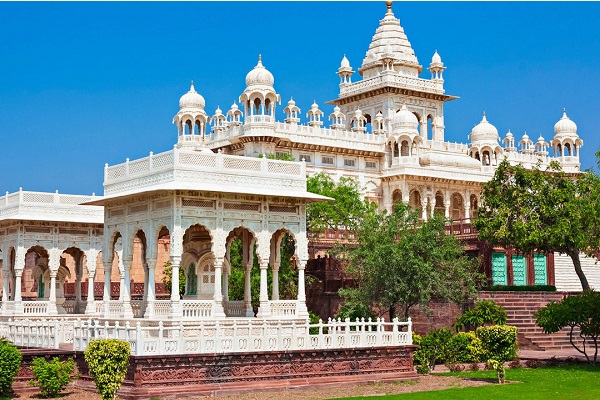
Jaswant Thada, often called the “Taj Mahal of Marwar,” is one of Jodhpur’s most elegant and serene landmarks. Built in 1899 by Maharaja Sardar Singh in memory of his father, Maharaja Jaswant Singh II, this white marble cenotaph stands gracefully beside the tranquil Mandore Gardens. Moreover, it serves as a symbol of love, remembrance, and royal dignity. With its glowing marble walls, intricate carvings, and peaceful surroundings, Jaswant Thada captures the essence of Jodhpur’s royal heritage.
Historical Significance
The monument was constructed as a memorial to honor Maharaja Jaswant Singh II, one of Marwar’s most respected rulers known for his administrative reforms and contributions to the state’s development. During his reign, Jodhpur flourished both economically and culturally. Hence, the cenotaph was built to commemorate his noble legacy. Interestingly, several other cenotaphs of the Marwar royal family are also located nearby, making this site a sacred resting place for Jodhpur’s rulers. Furthermore, the structure’s peaceful setting beside a small lake enhances its spiritual atmosphere.
Jaswant Thada: Architectural Beauty
Jaswant Thada is an architectural gem, primarily crafted from finely polished white marble that glows when sunlight falls upon it. The walls are so thin that they radiate a warm golden hue at dawn and dusk. Additionally, the structure features domes, delicate jali (lattice) work, and intricately carved pillars that display the incredible craftsmanship of the artisans of that era. The marble sheets used are said to have been imported, ensuring both strength and beauty. Beyond the main cenotaph, beautifully landscaped gardens, tiered terraces, and a small lake complete the serene ambiance.
Visitor Experience
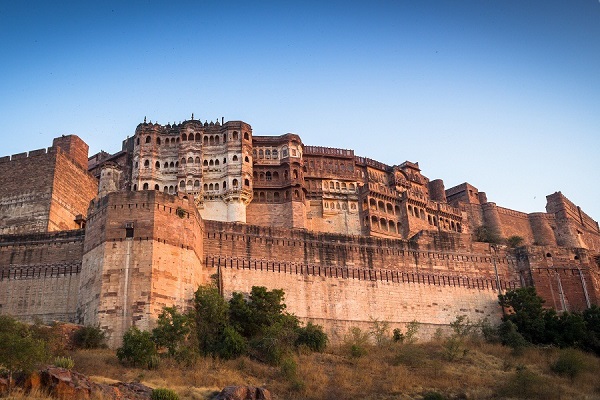
Today, Jaswant Thada continues to attract both domestic and international tourists. Visitors often find themselves captivated by the monument’s tranquil beauty and its reflection shimmering in the nearby lake. Moreover, the site offers a panoramic view of the mighty Mehrangarh Fort, which rises majestically in the background. The sound of rustling leaves, chirping birds, and cool breezes together create an atmosphere of calm reflection. Additionally, musicians frequently play traditional Rajasthani tunes near the entrance, further enriching the cultural charm of the visit.
Review
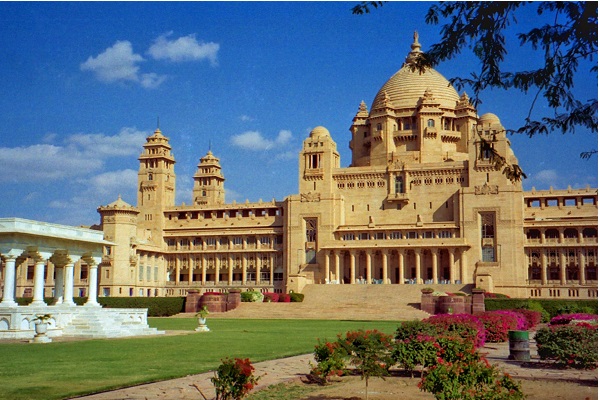
Umaid Bhawan Palace is not merely a monument—it’s a living chapter of Jodhpur’s history. Through its magnificent design, noble purpose, and royal legacy, it connects the past with the present. Truly, this palace stands as an everlasting symbol of Jodhpur’s royal dignity and architectural excellence.