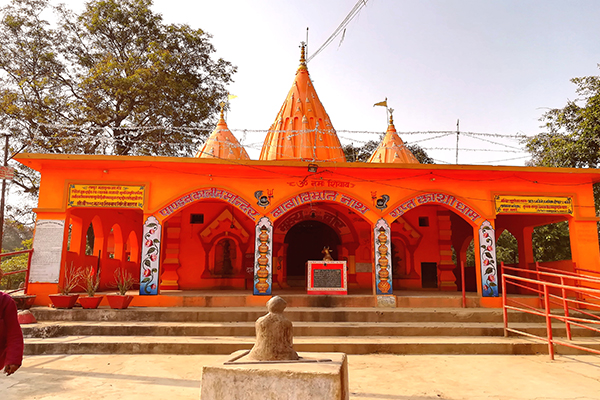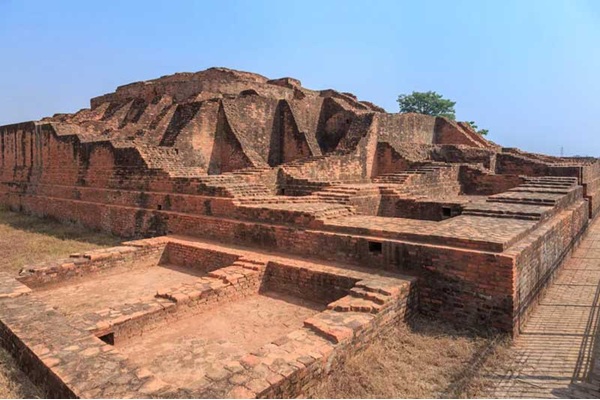
Pakki Kuti is one of the most remarkable ancient sites located in Shravasti, Uttar Pradesh. It stands as a testimony to India’s glorious Buddhist past and attracts both pilgrims and history lovers from around the world. The site, surrounded by lush greenery and ancient ruins, reflects the spiritual and architectural brilliance of the ancient era. Shravasti was one of the six major cities in ancient India and held immense importance during the lifetime of Lord Buddha.
Historical Significance
Historians identify Pakki Kuti as one of the two ancient stupas mentioned by the famous Chinese traveler Hiuen Tsang (Xuanzang). According to archaeological findings, it is believed to be the ruins of “Angulimala’s Stupa,” dedicated to Angulimala, a follower of Lord Buddha who turned from a feared bandit into a devoted monk. Excavations by the Archaeological Survey of India (ASI) have revealed layers of brickwork and remnants that date back to the Kushan period, showcasing the site’s long and evolving history.
Architectural Features
The structure of Pakki Kuti displays the traditional brick architecture common during the ancient Buddhist period. The stupa is built on a raised platform with circular foundations made of solid bricks, giving it the name “Pakki,” meaning “baked” or “solid.” The site also includes remains of smaller shrines and monastic cells that reflect the architectural precision of the time. Despite the passage of centuries, the ruins still retain their grandeur and provide a glimpse into the engineering skills of ancient craftsmen.
Religious and Cultural Importance
Pakki Kuti holds great religious value for Buddhists, as it is closely linked to the teachings and stories of the Buddha. Pilgrims visit the site to pay homage and meditate in the serene environment where Buddhist monks once practiced their faith. Along with Kachchi Kuti, another nearby stupa in Shravasti, it forms an important part of the Buddhist pilgrimage circuit in India. The peaceful surroundings inspire spiritual reflection and connect visitors to the essence of Buddhist philosophy — peace, compassion, and enlightenment.
Review
Pakki Kuti in Shravasti is not just an archaeological site but a living symbol of India’s spiritual and cultural legacy. It continues to attract scholars, devotees, and tourists who seek to explore the footprints of Lord Buddha and his disciples. The preservation of such ancient monuments ensures that future generations can appreciate the depth of India’s historical and religious heritage.