Bounsi Mela stands as a vibrant symbol of Banka’s cultural depth, spiritual heritage, and community spirit. The fair brings together thousands of devotees, artisans, and visitors who actively participate in its religious rituals, cultural performances, and traditional markets. By preserving age-old customs and supporting local livelihoods, Bounsi Mela continues to strengthen social harmony and enrich the district’s identity. Its blend of devotion, tradition, and celebration makes it one of the most cherished events in Banka.
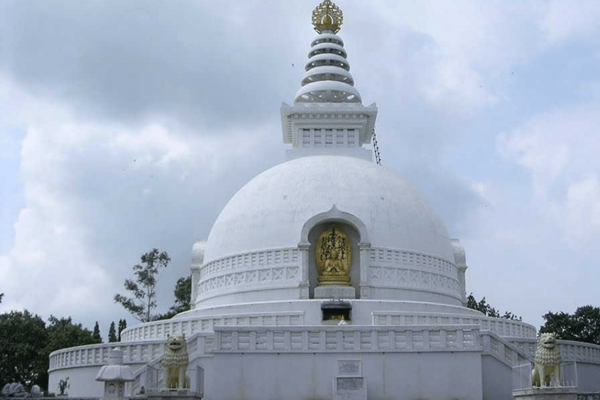
Bounsi Mela stands as one of the most vibrant and culturally rich fairs in Banka district, Bihar. People from across the state and neighboring regions eagerly visit this historic mela every year to experience its unique blend of spirituality, tradition, and local livelihood. The fair takes place near Mandar Hill, a site deeply connected with Hindu mythology, which adds greater religious significance to the event. Bounsi Mela continues to play an essential role in preserving the district’s cultural identity and promoting community participation.
Historical and Cultural Significance
The origins of Bounsi Mela trace back to ancient times, and the fair has maintained its importance through generations. The mela usually begins in the month of January during Makar Sankranti, marking the transition of the sun into Capricorn. Pilgrims believe that this period is highly auspicious and visit Mandar Hill to perform religious rituals. The association of the fair with Samudra Manthan, mentioned in Hindu scriptures, enhances its spiritual value. Over time, Bounsi Mela has evolved into a large cultural gathering where tradition and devotion meet.
Religious Activities and Rituals
Visitors actively participate in religious ceremonies during the mela. Devotees offer prayers at temples on Mandar Hill and take holy dips in the sacred ponds located near the site. Many people climb the hill early in the morning to seek blessings and begin the fair with spiritual dedication. Priests perform rituals, and the rhythmic chants create a serene and devotional atmosphere. The religious essence of the mela draws pilgrims not only from Bihar but also from Jharkhand, West Bengal, and beyond.
Cultural Events and Local Crafts
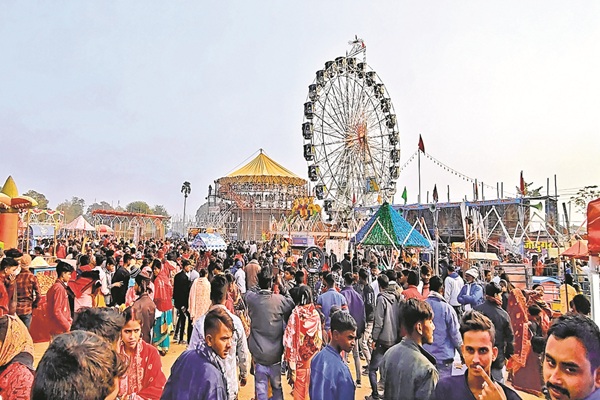
Bounsi Mela also serves as a cultural hub where local artists, performers, and craftsmen showcase their talent. The fairgrounds fill with stalls selling traditional handicrafts, bamboo products, pottery, handloom textiles, and regional snacks. Folk music, dance performances, and storytelling sessions add to the festive mood. Visitors enjoy the colorful display of cultural traditions that highlight the rich artistic heritage of Banka. The mela provides artisans with a valuable platform to promote their work and sustain their livelihood.
Economic and Social Importance
Bounsi Mela plays a vital role in boosting the local economy. Vendors, farmers, small businesses, and artisans earn significant income during the fair. The mela also strengthens community relationships as families, friends, and visitors gather to celebrate together. Its blend of culture, spirituality, and trade makes Bounsi Mela a central event in Banka’s social calendar.