Havelis of Churu
Churu, often called the “Gateway to the Thar Desert,” is renowned for its magnificent havelis that reflect the town’s rich heritage and artistic excellence. Moreover, these havelis are architectural gems built during the 18th and 19th centuries by wealthy merchants of the Marwari community. Today, they stand as timeless examples of Rajasthan’s glorious craftsmanship and serve as open-air museums showcasing intricate paintings and carvings. Therefore, a visit to Churu remains incomplete without exploring these royal mansions.
Historical Background
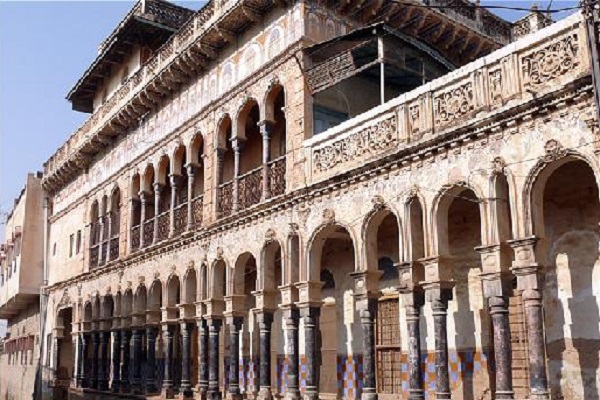
The Havelis of Churu were constructed during the period when the town was a flourishing trade center. Merchants who earned great fortunes through trade invested in building grand havelis to display their prosperity. In addition, these homes became a blend of luxury and devotion, often adorned with frescoes depicting mythological themes, royal processions, and scenes from daily life. Over time, many havelis, including the Kanhaiya Lal Bagla Haveli, Surana Double Haveli, and Malji Ka Kamra, gained fame for their exceptional artistry and intricate designs. Furthermore, the influence of Mughal and Rajput styles can be clearly seen in their arches, pillars, and courtyards.
Architectural Beauty
The architecture of Churu’s havelis is a perfect fusion of Rajasthani and Mughal styles. Each structure features beautifully carved wooden doors, latticed windows, and vibrant wall paintings. The frescoes, created using natural colors, depict stories from Indian epics like the Ramayana and Mahabharata. Additionally, the Surana Double Haveli is famous for its 1,111 windows and doors, which reflect the grandeur of traditional craftsmanship. Similarly, Malji Ka Kamra stands as an iconic example of Italian-Rajasthani fusion design. Consequently, these artistic creations continue to amaze historians, architects, and travelers from around the world.
Havelis of Churu: Visitor Experience
Exploring the Havelis of Churu offers a journey into the royal past. Visitors walk through narrow lanes filled with historic mansions, each telling a different story of wealth and devotion. Moreover, the colorful frescoes, mirror work, and ornate balconies immerse tourists in Rajasthan’s artistic tradition. During sunrise and sunset, the golden hues of the desert enhance the beauty of these havelis, making them perfect spots for photography. Thus, a visit to Churu’s havelis provides not only visual delight but also a deep connection with Rajasthan’s glorious past.
Review
Havelis of Churu remain living symbols of heritage, art, and pride. Ultimately, they represent the timeless creativity of Rajasthani craftsmen and the grandeur of Marwari culture. Therefore, anyone visiting Churu must explore these architectural masterpieces to experience the true essence of Rajasthan’s royal legacy.