Kakan Mandir in Jamui remains a symbol of faith, devotion, and cultural heritage. Its historical significance, striking architecture, and vibrant festivals attract thousands of visitors annually. The temple continues to serve as a spiritual hub, preserving Jamui’s religious traditions and offering devotees a place for worship and reflection.
Kakan Mandir in Jamui serves as a prominent religious site for devotees across the district. People visit the temple to seek blessings and experience spiritual serenity. Its cultural and religious significance makes it one of the most respected places of worship in Jamui.
Historical Background
Kakan Mandir has a long-standing history rooted in local faith and devotion. The temple was established by villagers who dedicated it to Lord Shiva. Over the years, devotees have contributed to its expansion and upkeep, preserving its spiritual importance. The temple represents Jamui’s religious heritage and reflects the devotion of generations.
Architecture and Design
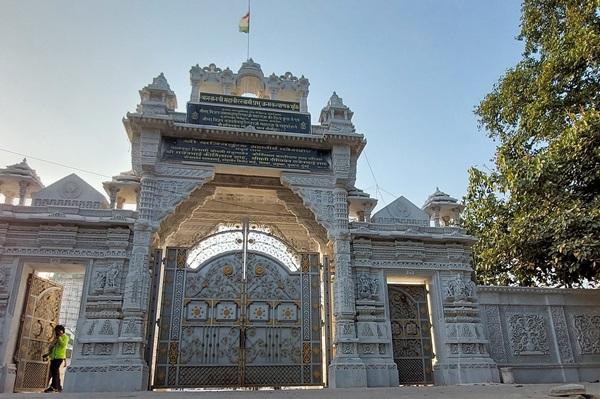
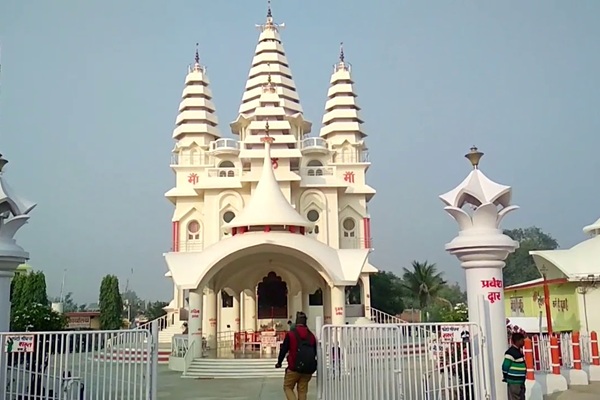
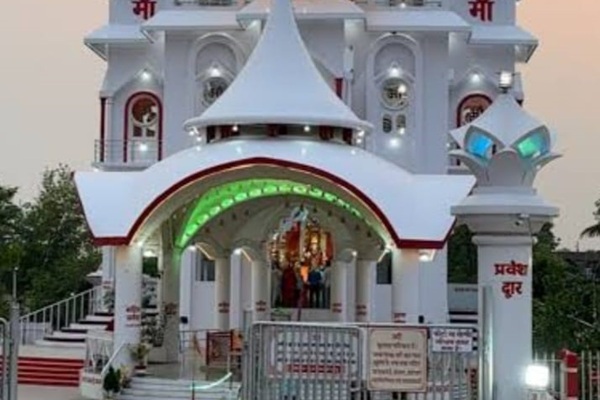
The temple showcases traditional Hindu architectural style, featuring a beautifully designed sanctum, ornate pillars, and decorative spires. The main deity, Lord Shiva, sits in the sanctum, adorned with flowers and sacred items. The temple’s exterior displays vibrant colors and intricate carvings, attracting visitors with its aesthetic appeal. A spacious courtyard allows devotees to perform rituals comfortably while enjoying the serene surroundings.
Festivals and Celebrations
Kakan Mandir becomes especially lively during major Hindu festivals, such as Maha Shivaratri. Devotees gather in large numbers to perform special prayers, participate in rituals, and celebrate with devotion. The temple also hosts regular worship ceremonies, ensuring that locals and visitors can experience its spiritual energy throughout the year. Music, chants, and devotional activities create a vibrant atmosphere during these occasions.
Devotional Practices
Devotees offer flowers, milk, and other offerings to Lord Shiva while chanting prayers. Priests conduct daily rituals to maintain the temple’s sanctity. Many visitors light lamps and perform abhishek (ritual bathing of the deity) to seek blessings for prosperity, health, and spiritual guidance. The temple fosters a strong sense of community, encouraging devotion and unity among worshippers.