Overview
India, a union of states, is a Sovereign, Secular, and Democratic Republic that follows a Parliamentary form of government. At the Union level, the President serves as the constitutional head of the Executive. In each state, the Governor acts as the President’s representative and serves as the executive head. The structure of government in the states is largely similar to that of the Union.
Geography and Location
India is a vast and diverse country located in South Asia. It is bordered by Pakistan to the northwest, China and Nepal to the north, Bhutan to the northeast, and Bangladesh and Myanmar to the east. To the south, it is flanked by the Indian Ocean, with Sri Lanka located just across the Palk Strait. India’s geography is incredibly varied, from the towering Himalayan mountains in the north to the fertile plains of the Ganges, the Thar Desert in the west, and the coastal regions along the Arabian Sea and Bay of Bengal.
The Official Flag OF India
The National Flag of India is popularly known as the Tiranga, which means “Tricolour.” It is a symbol of the country’s pride, unity, and independence. The flag consists of three horizontal stripes of equal size, each with its own meaning and significance. The top band of the flag is saffron (Kesari) in color, which stands for courage, strength, and sacrifice. It reflects the spirit of renunciation and the qualities of bravery that have been essential in the nation’s journey. The middle band is white, representing peace, truth, and purity. At the center of this white stripe lies the Ashoka Chakra, a navy-blue wheel with 24 equally spaced spokes. The chakra symbolizes righteousness (Dharma), justice, and the continuous cycle of progress and movement in life. The bottom band of the flag is green, which signifies faith, fertility, and prosperity. It highlights the importance of agriculture, the backbone of India, and represents the country’s connection with nature and growth. The flag is designed with a ratio of 3:2 (length to height) and is to be displayed with the saffron color always on top when hoisted. Adopted on 22 July 1947, the Tiranga is not just a flag but a living embodiment of India’s freedom, culture, and values.

LIST OF ALL THE STATES OF INDIA


Assam

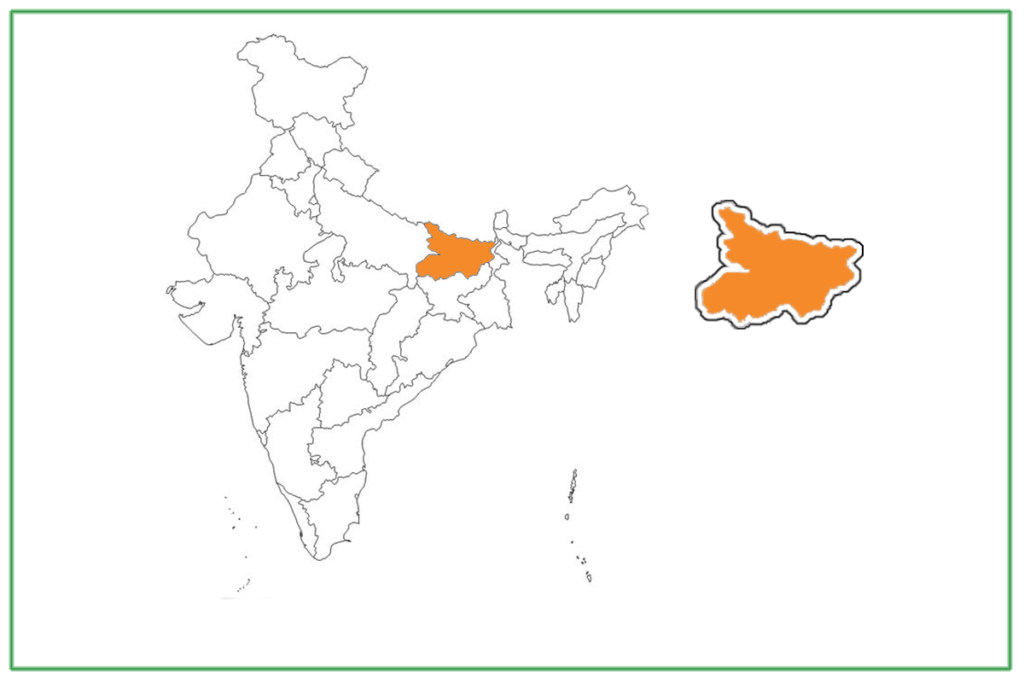

Haryana


Kerala
India is made up of 28 states and 8 Union Territories. The Union Territories are governed by the President, who appoints an Administrator to manage them. Each State and Union Territory, whether large or small, has its own distinctive demography, history, traditions, clothing, festivals, languages, and cultural identity.