Ajmer Sharif Dargah
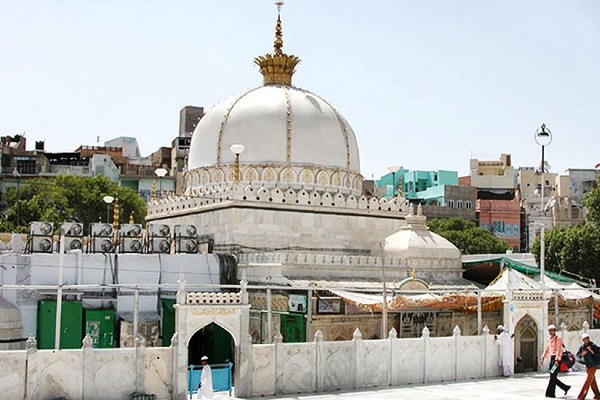
The Ajmer Sharif Dargah attracts millions of devotees each year and ranks among India’s most sacred pilgrimage centers. People from all religions visit the shrine to seek blessings from Khwaja Moinuddin Chishti, the Sufi saint who spread messages of love, peace, and humanity. Devotees pray with faith, believing the saint fulfills their wishes, and the Dargah fills them with spiritual energy and devotion.
History of the Dargah
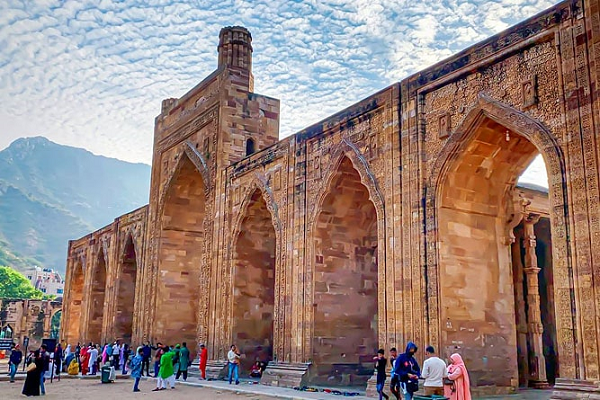
Khwaja Moinuddin Chishti arrived in Ajmer in the 12th century and dedicated his life to helping the poor and guiding people toward harmony. After his death in 1236, followers built a shrine around his tomb and turned it into a symbol of unity. Mughal emperors, including Akbar and Shah Jahan, frequently visited, offered prayers, and contributed generously, constructing mosques, courtyards, and gates that remain admired today.
Architectural Highlights
Visitors enter through the Buland Darwaza, admire the Akhbari Masjid and Shah Jahan’s Mosque, place chadars on the tomb, and listen to daily qawwalis. The fragrance of incense and echoing prayers create a serene and devotional atmosphere.
Urs Festival
During the Urs festival, the Dargah is decorated with lights, thousands of pilgrims participate in rituals, and food is distributed to the poor, reflecting the saint’s teachings of charity and compassion.
Spiritual Significance
The Ajmer Sharif Dargah continues to inspire people worldwide, welcoming all visitors and uniting them under one roof of faith, hope, and devotion.
Review
Ajmer Sharif Dargah attracts millions who seek blessings from Sufi saint Khwaja Moinuddin Chishti. Devotees offer chadars, listen to qawwalis, and celebrate Urs, while the shrine spreads peace, unity, and humanity, welcoming all faiths with spiritual devotion