Adhai Din Ka Jhonpra
Adhai Din Ka Jhonpra is one of the most famous monuments in Ajmer and a remarkable example of early Indo-Islamic architecture. It was built in the 12th century and commissioned by King Vigraharaja IV of the Chauhan dynasty as a Sanskrit college. In 1199 AD, after Ajmer came under the Delhi Sultanate, Qutb-ud-Din Aibak converted it into a mosque. Legend says the mosque was built in just two and a half days. This gave it the name “Adhai Din Ka Jhonpra,” meaning shed of two and a half days.
Historical and Architectural Significance
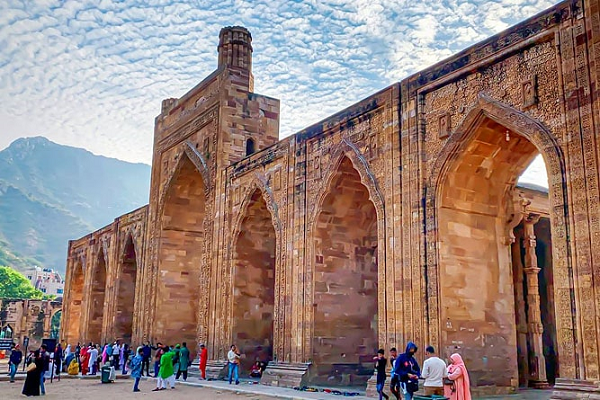
The structure reflects a fusion of Hindu, Jain, and Islamic architectural styles. Many elements of the original Hindu and Jain temple carvings remain, including floral patterns, mythological figures, and detailed stonework. Islamic features such as pointed arches, calligraphy, and geometric designs highlight cultural blending. Its massive screen wall with seven arches is the mosque’s most striking feature, symbolizing the grandeur of early Islamic architecture in India.
Visitor Experience
Much of the structure now lies in ruins, but it attracts many tourists, historians, and architecture lovers. Visitors admire finely carved pillars and weathered walls while walking through its stone corridors. The peaceful surroundings and majestic arches create awe and reverence. Adhai Din Ka Jhonpra tells the story of Ajmer’s diverse cultural past. It remains a timeless monument bridging different faiths and traditions.
Review
Adhai Din Ka Jhonpra is a historic mosque showcasing Indo-Islamic architecture. Originally a Sanskrit college, it was later converted by Qutb-ud-Din Aibak. Its arches, carvings, and ruins attract history lovers and tourists.