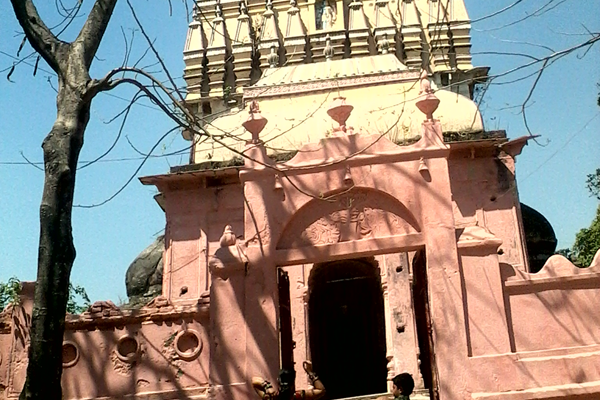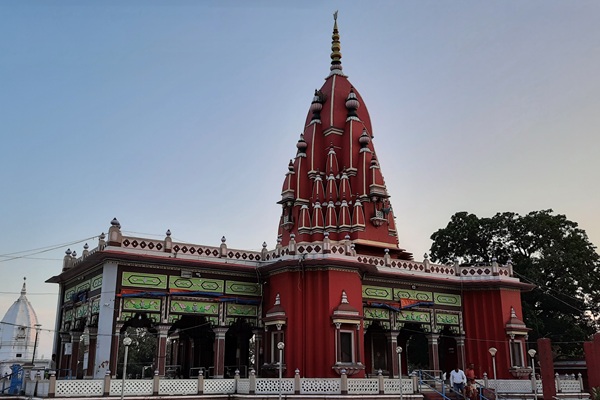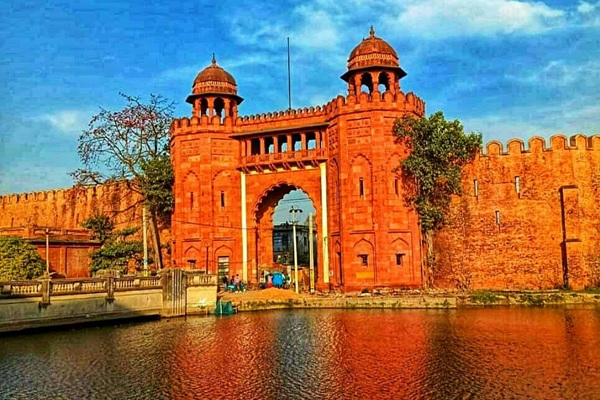
Darbhanga Fort stands as a proud testament to the royal legacy and cultural richness of the Darbhanga Raj dynasty. Its grand architecture, historical importance, and deep connection to Mithila’s traditions make it a remarkable landmark in Bihar. Visitors experience a sense of awe as they explore its strong walls, spacious courtyards, and artistic designs. With ongoing preservation efforts, the fort continues to inspire admiration and remains an essential destination for anyone seeking to understand the history and heritage of Darbhanga.
Darbhanga Fort, located in the heart of Darbhanga district in Bihar, stands as one of the finest representations of the region’s royal heritage. Built by the Darbhanga Raj family, the fort showcases the power, influence, and cultural richness of the erstwhile rulers. Visitors explore this majestic structure to admire its historic importance, architectural brilliance, and the royal lifestyle it once protected.
Historical Background
The fort has strong connections with the Darbhanga Raj dynasty, one of the most influential zamindari estates in Bihar during the British era. The rulers built this fort to safeguard their administrative offices, royal residences, and treasury. Over the years, the fort witnessed political decisions, cultural advancements, and major events in the region’s history. It stands today as a reminder of the grandeur and authority of the Raj family.
Architectural Features
Darbhanga Fort impresses visitors with its massive walls, strong gates, and beautiful design elements. The architectural style reflects a blend of Mughal, Rajput, and regional influences. Skilled craftsmen used high-quality materials to construct sturdy walls that have stood the test of time. Inside the fort, visitors find large courtyards, royal rooms, traditional arches, and decorative patterns that highlight the artistry of that era. The fort complex also includes beautiful gardens and passages that add to its charm.
Cultural and Administrative Functions
During the rule of Darbhanga Raj, the fort served as the administrative and cultural center of the region. The royal family conducted meetings, ceremonies, and important discussions within the fort’s secure premises. Cultural events, festivals, and royal gatherings added life to the fort, making it a hub of creativity and tradition. Even today, the fort remains a significant landmark that reflects the cultural values of Mithila.
Tourist Attraction and Heritage Importance
Darbhanga Fort attracts tourists, history lovers, researchers, and architects who want to explore its heritage. People visit to learn about the royal family, admire the fort’s architecture, and experience the historical atmosphere. The surrounding area also includes other heritage structures, adding depth to the visitor experience. The fort continues to inspire pride among locals who consider it a symbol of their rich cultural identity.
Preservation Efforts
Authorities and heritage enthusiasts take active steps to preserve the fort’s structure and protect its historical value. Restoration work helps maintain its walls, gates, and internal structures, ensuring that future generations can continue to appreciate this iconic monument.