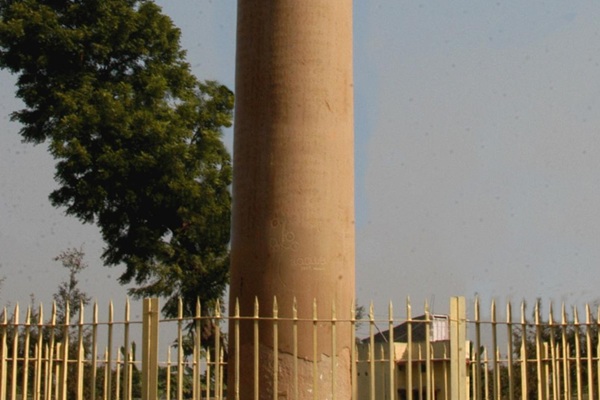
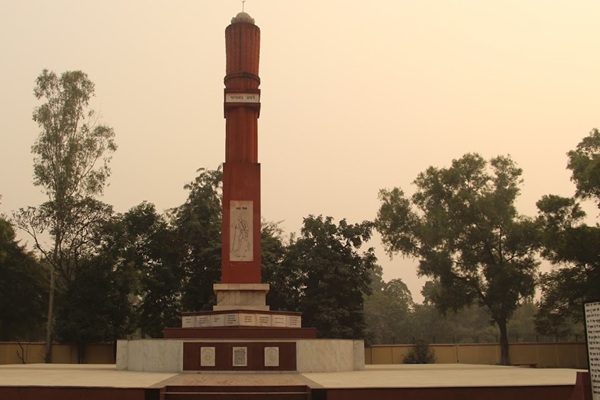
Gandhi Sangrahalaya in Motihari stands as a living monument to Mahatma Gandhi’s efforts during the Champaran Satyagraha. By preserving historical documents, artifacts, and educational displays, the museum actively educates visitors about the struggles and triumphs of India’s freedom movement. It remains a must-visit destination for history enthusiasts, students, and anyone who wishes to understand Gandhi’s enduring legacy and the pivotal role of East Champaran in India’s journey to independence.
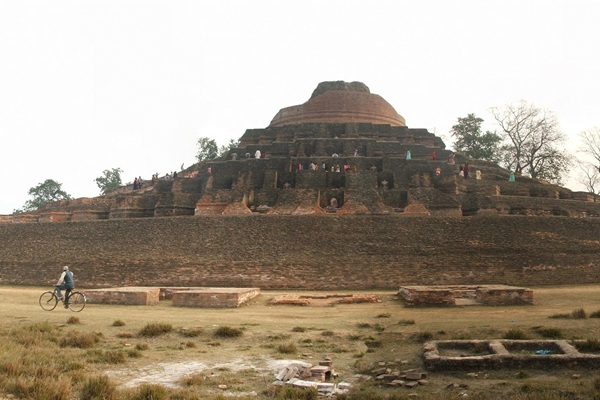
Kesariya Stupa, located in Kesariya village of East Champaran, Bihar, stands as one of the tallest and most significant Buddhist stupas in the world. Visitors actively come to this historic site to admire its towering structure, learn about its rich history, and experience the spiritual ambiance it offers. The stupa reflects the ancient Buddhist architectural style and serves as a symbol of India’s deep-rooted cultural and religious heritage.
Historical Significance of Kesariya Stupa
Kesariya Stupa dates back to the Mauryan period and was later expanded during the Gupta era. Historians and archaeologists actively study the stupa to understand its construction, purpose, and the religious practices of that time. The stupa played an important role in spreading Buddhism in northern India, and it attracted monks, pilgrims, and scholars from various regions. Its massive size and carefully designed structure showcase the architectural skills and religious devotion of ancient India.
Architectural Features
The stupa rises approximately 104 feet in height, making it one of the tallest stupas in the world. Visitors marvel at its layered terraces, solid core, and ornamental design. The stupa’s base, terraces, and dome display intricate brickwork and patterns that reflect the architectural aesthetics of the Mauryan and Gupta periods. Archaeological excavations at Kesariya have revealed relics, inscriptions, and ancient artifacts that provide deeper insight into Buddhist practices and cultural traditions of the era. Tourists and history enthusiasts actively explore these findings to understand the historical context and significance of the site.
Spiritual and Cultural Importance
Kesariya Stupa holds immense spiritual value for Buddhists and tourists alike. Pilgrims come here to meditate, offer prayers, and experience peace in the serene environment surrounding the stupa. The site also hosts cultural and religious events that promote awareness of Buddhist heritage and traditions. Local guides actively share stories and legends associated with the stupa, helping visitors connect with its historical and spiritual importance.
Conclusion
Kesariya Stupa remains a remarkable landmark that combines history, architecture, and spirituality. Its towering structure, ancient relics, and rich cultural significance make it a must-visit destination in East Champaran. Visitors leave with a deeper understanding of India’s Buddhist heritage, the architectural brilliance of ancient civilizations, and the spiritual essence that continues to inspire generations.