The Ashokan Pillar in Lauriya Areraj stands as a testament to India’s ancient civilization, showcasing remarkable craftsmanship, historical insight, and spiritual heritage. Its inscriptions, architectural design, and cultural significance make it a must-visit destination in East Champaran. Visitors leave with a deeper appreciation of Emperor Ashoka’s vision, India’s Mauryan legacy, and the enduring importance of ethical governance and spiritual values in Indian history.
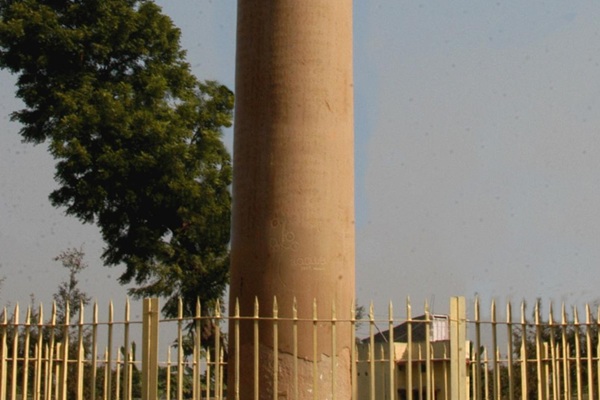
The Ashokan Pillar, located in Lauriya Areraj of East Champaran, Bihar, stands as an iconic symbol of India’s ancient history. Visitors actively come to this historic site to admire the architectural brilliance of the Mauryan period and to explore the inscriptions left by Emperor Ashoka. The pillar reflects India’s rich cultural heritage and offers insights into governance, religion, and social ethics during Ashoka’s reign.
Historical Significance
The Ashokan Pillar dates back to the 3rd century BCE and was erected by Emperor Ashoka, one of India’s most celebrated rulers. Ashoka actively promoted Buddhism and ethical governance, and he used these pillars to communicate his policies, moral teachings, and edicts to his people. The inscriptions carved into the pillar provide valuable historical information about Ashoka’s administration, his commitment to non-violence, and his efforts to promote social welfare. Historians and archaeologists frequently visit the site to study these edicts and gain insights into the Mauryan empire.
Architectural Features
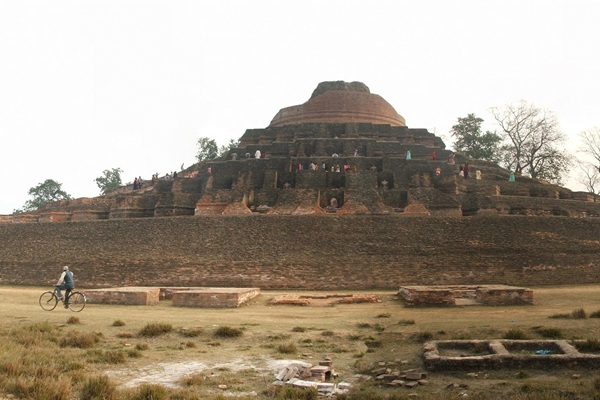
The Ashokan Pillar at Lauriya Areraj stands approximately 12 meters tall and is made of polished sandstone, showcasing the advanced stone-working skills of the Mauryan artisans. Visitors notice its smooth surface, uniform shape, and the intricate inscriptions that cover its lower sections. The pillar’s design reflects the precision and aesthetic sensibility of ancient Indian architecture. Nearby, remnants of other structures and religious sites provide a broader understanding of the region’s historical and cultural context.
Cultural and Religious Importance
The Ashokan Pillar holds immense cultural and spiritual value. It actively attracts pilgrims, historians, and tourists who are eager to connect with India’s ancient past. The pillar is often visited alongside nearby temples, such as the Shiva temple in Areraj, which adds religious significance to the area. Educational tours and guided visits help students and visitors understand the pillar’s role in spreading Buddhist teachings and moral governance. Local guides actively explain the stories behind Ashoka’s life and the purpose of the inscriptions to enhance the visitor experience.